


What Is Cardiovascular Disease?
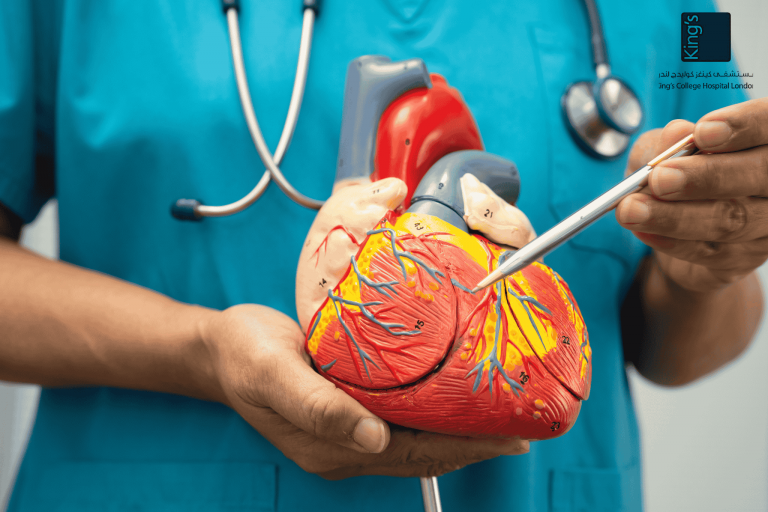
Cardiovascular disease often develops silently until symptoms worsen, making it one of the world’s major causes of sickness and early death.
People of various ages may be affected, often unexpectedly, by this condition that affects the heart and blood vessels.
Understanding how cardiovascular disease develops, recognising early signs, and knowing how to protect your heart can make a meaningful difference to your long-term health.
Read on to learn what to watch for and how to take positive steps towards a healthier heart.
Understanding cardiovascular disease
Cardiovascular disease is a range of diseases affecting the heart and blood vessels. These conditions often involve narrowing or blockage of arteries, which may cause heart attacks, strokes, and other serious complications.
Heart disease is not just a single condition—it is a range of disorders that impact the cardiovascular system. Knowing the risk factors and early symptoms can help you take proactive steps toward prevention.
According to global health statistics, cardiovascular diseases account for nearly 18 million deaths every year, making heart health awareness a critical priority.
Cardiovascular disease symptoms: What to watch for
Recognising the cardiovascular disease symptoms early can save lives. Symptoms vary based on the type of condition, but include:
- Chest pain or discomfort, often described as pressure, tightness, or squeezing
- Shortness of breath, even during mild activity
- Irregular heartbeats or Palpitation
- Dizziness, fainting, or sudden fatigue
- Swelling in the legs, feet, or ankles
Note: Some people experience mild or no obvious symptoms until the disease has progressed. Regular check-ups are pivotal for early detection.
Cardiovascular disease types
Understanding the types of cardiovascular disease can help foresee risks and get prompt care. The main categories include:
- Coronary artery disease (CAD): Caused by plaque in the arteries, causing restricted blood flow to the heart.
- Heart failure: The heart is unable to pump blood effectively.
- Arrhythmia: Abnormal heart rhythms that affect heart function.
- Peripheral artery disease (PAD): Narrowing of blood vessels in the limbs, causing pain and mobility issues.
- Congenital heart disease: Structural heart defects from birth.
- Stroke and transient ischemic attack (TIA): Happen when the blood supply to the brain is interrupted.
Each type has its unique signs, but many share common risk factors, highlighting the importance of overall heart health.
Risk factors for cardiovascular disease
While some risk factors, like age or family history, cannot be changed, many are related to an unhealthy lifestyle. Key contributors are:
- High blood pressure (hypertension)
- High cholesterol levels
- Smoking
- Obesity or overweight
- Inactive lifestyle
- High consumption of fats and sugar
- Diabetes
- Chronic stress
Addressing modifiable risks through lifestyle changes and medical guidance is crucial in reducing the likelihood of developing cardiovascular disease.
How to prevent cardiovascular disease
Prevention is often the most effective approach to maintaining heart health. Knowing how to avoid cardiovascular disease involves a combination of lifestyle patterns and regular medical care.
- Consume a balanced diet: Emphasise fruits, vegetables, whole grains, lean proteins, and healthy fats.
- Exercise regularly: Aim for 150 minutes of moderate activity per week.
- Keep a healthy body weight: Weight management reduces strain on the heart.
- Avoid smoking and alcohol: Both are major risk factors for heart disease.
- Keep stress at bay: Practices like mindfulness, yoga, or deep breathing can support cardiovascular health.
- Regular health check-ups: Monitor blood pressure, cholesterol, and blood sugar levels.
Adopting these habits not only prevents disease but can also improve overall quality of life.
Diagnosing cardiovascular disease
Early diagnosis has proven to dramatically improve outcomes. Patients may need a variety of tests to assess heart health, including:
- Electrocardiogram (ECG/EKG): Measures electrical activity of the heart.
- Echocardiogram: Ultrasound creates images of the heart.
- Blood tests: Check cholesterol, triglycerides, and markers of heart damage.
- Stress tests: Evaluate how the heart functions during physical activity.
- Cardiac catheterisation or angiography: Examine blood flow and detect arterial blockages.
Understanding the results with a specialist helps guide treatment and prevention strategies.
Treatment options for cardiovascular disease
Treatment for cardiovascular disease is tailored to the specific condition, its severity, and the individual’s overall health. Modern cardiology focuses on restoring blood flow, correcting heart rhythm, supporting heart function, and preventing further damage.
Common treatment approaches based on cardiovascular disease types include:
- Coronary artery disease: Managed through medications to improve blood flow and reduce clot risk, minimally invasive procedures such as angioplasty and stent placement, or coronary artery bypass surgery in more advanced cases.
- Heart failure: Treatment aims to strengthen the heart’s pumping ability and relieve symptoms using targeted medications, device therapy such as pacemakers, or advanced interventions when required.
- Arrhythmias: Abnormal heart rhythms may be treated with medications, electrical cardioversion, catheter ablation, or implantable devices like pacemakers or defibrillators.
- Valve disease: Depending on severity, treatment may involve monitoring, medication for symptom control, or surgical repair or replacement of damaged heart valves.
- Peripheral artery disease and stroke-related conditions: Focus on restoring circulation, reducing clot formation, and preventing recurrence through medical therapy or vascular procedures.
With advances in cardiac care, many cardiovascular conditions can be effectively managed when diagnosed early. A personalised treatment plan led by an experienced cardiologist ensures care is aligned with the specific type of cardiovascular disease and supports the best possible clinical outcomes.
Trust King’s College Hospital Jeddah for expert cardiovascular care
At King’s College Hospital Jeddah, we bring the excellence of British-standard healthcare to the Kingdom of Saudi Arabia.
Our dedicated cardiovascular team combines state-of-the-art technology with compassionate care to provide the most advanced diagnosis, treatment, and ongoing support for heart health.
Take charge of your heart health today – book an appointment with our cardiology team.


