


Urinary Incontinence in Elderly Females: Causes, Symptoms & Treatments
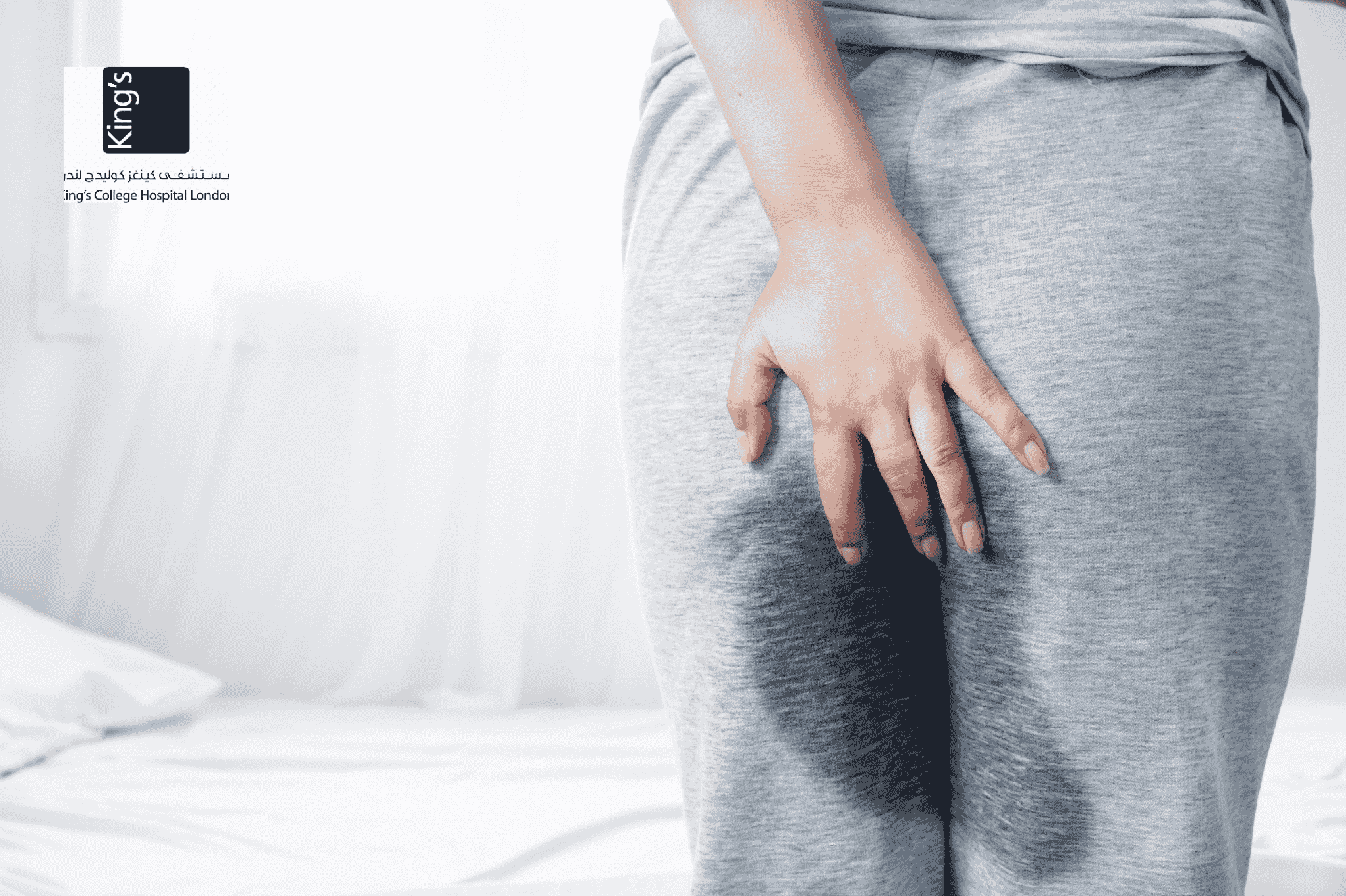
Urinary incontinence, accidentally leaking urine, is something many older women deal with, yet it’s not often openly discussed. Although it’s common, it can impact daily routines, confidence, and overall comfort. At King’s College Hospital Jeddah, we know how personal this issue can feel, and our team offers gentle, confidential, and completely personalised care for Urinary Incontinence in Females at every stage of life.
Understanding Urinary Incontinence in women
Urinary incontinence happens when the bladder muscles, pelvic floor, or nerves don’t work together as they should. For elderly women, natural aging, previous pregnancies, menopause, or certain health conditions can make bladder control more difficult.
Although anyone can experience incontinence, women are particularly at risk due to childbirth, hormonal changes, and anatomical differences. Many women begin noticing symptoms during perimenopause or after childbirth, while others develop them later in life.
Types of Urinary Incontinence in women
There are a few different kinds of urinary incontinence, and figuring out which one applies to you is the first step toward finding the best treatment.
- Stress Incontinence- This is when you experience small leaks during everyday moments that put pressure on your bladder, like when you cough, laugh, sneeze, or lift something heavy. It’s very common, especially for women after childbirth or as they get closer to menopause.
- Urge Incontinence – With this type, you get a sudden, intense need to pee, what doctors call an urgency, and sometimes that urge is so strong you can’t quite make it to the bathroom in time.
- Overflow Incontinence – The bladder doesn’t empty all the way, so small amounts of urine leak out throughout the day.
- Functional Incontinence – You’re aware you need to use the bathroom, but mobility issues or health conditions make it hard to get there in time.
- Mixed Incontinence – This is when you experience more than one type at the same time, most often stress and urge incontinence together.
All of these types of urinary incontinence in women can vary from light leaks to more severe symptoms, but the good news is that every type has effective treatment options.
Common cause of Urinary Incontinence in elderly women
Several factors contribute to urinary incontinence in females, including:
- Weakened pelvic floor muscles
- Postmenopausal hormonal changes
- Previous childbirth injuries
- Chronic constipation
- Obesity
- Nerve or muscle disorders
- Certain medications
- Recurrent urinary tract infections
Over time, muscles lose strength and tissues lose elasticity, making leakage more likely to occur.
Symptoms
Symptoms may vary, but many women report:
- Sudden or frequent urges to urinate
- Leaking when coughing, laughing, or exercising
- Dribbling after using the bathroom
- Waking up multiple times at night to urinate
- Feeling like the bladder doesn’t empty fully.
If these symptoms interfere with your daily routine, it may be time to seek urinary incontinence treatment at King’s College Hospital, Jeddah.
Treatment options at King’s College Hospital, Jeddah
At KCH Jeddah, our specialists offer world-class, evidence-based care for urinary incontinence in women, ensuring every patient receives a customised plan.
1. Lifestyle & Habit Changes
Simple daily adjustments can make a big difference. This may include training your bladder to wait a little longer between trips, reducing caffeine and other bladder irritants, maintaining a healthy weight, and following a regular bathroom routine. These steps are often the first line of treatment and can help with both sudden urges (urge incontinence) and leaks that happen during movement or pressure (stress incontinence).
2. Pelvic Floor Muscle Therapy
This is frequently one of the most effective treatments available. A specialist pelvic floor therapist will show you specific exercises to strengthen the muscles that support your bladder. It’s particularly beneficial for women who experience leaks after childbirth or those with mild stress incontinence.
3 Medication
Your doctor might prescribe medication based on what you’re experiencing. These help to calm an overactive bladder, reduce those sudden, strong urges, or improve muscle action. They are commonly used for urge incontinence and can also help women whose bladder changes after menopause.
4. Support Devices
Some women find simple devices like pessaries (inserted into the vagina) or urethral inserts very helpful. They give the bladder extra support and can be great for preventing leaks when you’re exercising or moving around.
5. Advanced Interventions
If basic treatments don’t offer enough relief, your doctor might discuss other options such as:
- Botox injections to relax an overactive bladder
- Nerve stimulation therapies to improve bladder control
- Bulking injections around the urethra to reduce leakage
6. Surgical Options
When symptoms are more persistent or severe, surgery may be considered. Procedures like sling surgery can provide long-lasting support for the urethra and significantly reduce leakage.
Why choose King's College Hospital
Urinary incontinence may feel embarrassing, but it is highly treatable. With the right evaluation and a personalised treatment plan, most women see significant improvement, and many regain full control.
At King’s College Hospital, Jeddah, our team is dedicated to delivering private, respectful, and effective care to women of all ages.
FAQs
Urinary incontinence is the unintentional leaking of urine. It happens when the bladder, pelvic floor muscles, or nerves don’t work together the way they should. It can be mild, like a small leak when coughing, or more frequent, depending on the cause.
Improving bladder control often starts with simple steps such as strengthening the pelvic floor muscles, reducing caffeine and alcohol, following a bathroom schedule, staying active, and maintaining a healthy weight. Many women also benefit from pelvic floor physiotherapy or medical treatments if symptoms continue.
Incontinence can appear at different stages of life. Some women notice symptoms after childbirth, others around menopause, and many experience bladder changes as they get older, especially after age 60. However, it’s not a normal part of aging and can be treated at any age.
Difficulty controlling urine can happen for many reasons, including weakened pelvic floor muscles, hormonal changes after menopause, nerve issues, overactive bladder muscles, or a bladder that doesn’t empty fully. A proper evaluation helps identify the cause so the right treatment can begin.


