


Tuberculosis Treatment in Jeddah
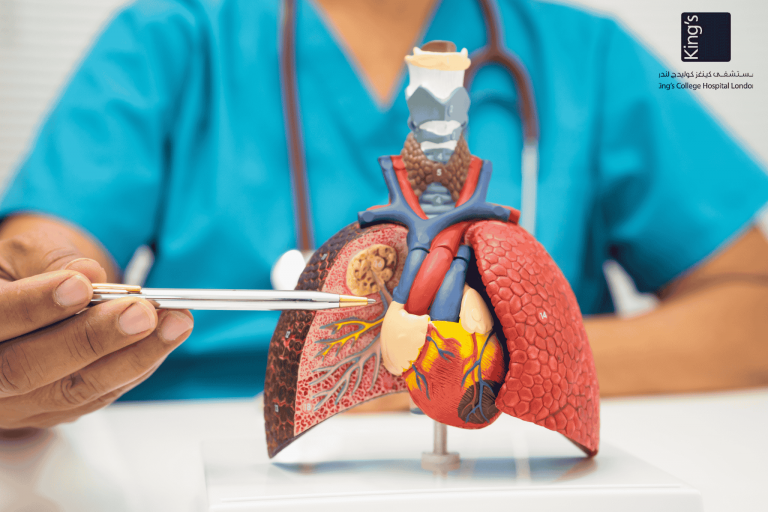
Being diagnosed with tuberculosis can be a challenging experience for patients and their families. When it comes to tuberculosis treatment, early diagnosis and comprehensive care make all the difference in achieving successful outcomes.
Tuberculosis (TB) is one of the significant global health concerns, affecting millions of people worldwide each year.
At King’s College Hospital Jeddah (KCH), patients receive evidence-based tuberculosis treatment delivered by experienced specialists using internationally recognized clinical protocols.
Understanding tuberculosis and why early treatment matters
The bacterium Mycobacterium tuberculosis causes tuberculosis. It most commonly affects the lungs (pulmonary TB), but it can also involve other parts of the body, such as lymph nodes, bones, intestines, or the perianal region.
While TB is contagious, it is curable with the right treatment of tuberculosis, especially when managed by a multidisciplinary medical team. Incomplete or delayed treatment can lead to drug resistance, prolonged illness, or serious health risks.
Key takeaway: TB treatment is not just about eliminating infection; it’s about restoring health safely and completely. |
Tuberculosis symptoms and treatment: when should you see a doctor?
Recognizing symptoms early allows for prompt tuberculosis symptoms treatment, which significantly improves outcomes. Symptoms vary depending on the area affected.
Common TB symptoms include:
- Persistent cough lasting three weeks or longer
- Chest pain or discomfort
- Coughing up blood or sputum
- Unexplained weight loss and loss of appetite
- Fever and night sweats
- Extreme fatigue and weakness
- Chills and general malaise
If you have any of these above symptoms, it’s critical to have an immediate medical evaluation. At KCH Jeddah, diagnostic pathways are designed to move quickly from suspicion to confirmation and treatment.
Diagnosis before tuberculosis treatment begins
For effective tuberculosis treatment, the team goes through an accurate diagnosis process.
Diagnostic tests may include:
- TB Skin Testing (Tuberculin Test): detects the exposure to TB bacteria.
- Blood Tests: detect immune system response to TB bacteria.
- Imaging Studies: reveal lung abnormalities associated with active TB disease
- Sputum Analysis: Laboratory examination of mucus samples to confirm TB bacteria
- Advanced Molecular Testing:identify TB bacteria and detect resistance patterns
Once TB is confirmed, physicians tailor the treatment of tuberculosis based on disease location, severity, and patient-specific factors.
Treatment of tuberculosis: what does it involve?
The standard treatment of tuberculosis involves a structured course of antibiotics taken over several months. TB bacteria grow slowly, which is why treatment must be completed exactly as prescribed, even if symptoms improve early.
Typical TB treatment includes:
- A combination of 4 antibiotics ( Isoniazid, Rifampin, Ethambutol, Pyrazinamide) in the initial phase.
- Followed by a continuation phase with fewer medications
- Regular monitoring to ensure effectiveness and manage side effects
KCH’s infectious disease and pulmonology teams closely monitor progress, adjusting treatment plans when necessary to ensure safety and success.
How long is the treatment of tuberculosis? Understanding your journey
How long is the treatment of tuberculosis? The answer depends on several factors, including whether you have latent or active TB and your overall health status.
- Latent TB Infection Treatment: If you test positive for latent TB but don’t have active disease, preventive treatment typically lasts 3 to 4 months. This shorter regimen helps prevent the infection from becoming active later.
- Active TB Disease Treatment: For active tuberculosis, the treatment of tuberculosis generally requires 6 to 9 months of continuous medication. This extended timeframe is necessary to completely eliminate the bacteria from your body and prevent relapse.
- Drug-Resistant TB Treatment: In cases of drug-resistant tuberculosis, treatment may extend to 18-24 months or longer, requiring specialized medications and close monitoring by TB experts.
Perianal tuberculosis treatment: a specialized approach
Perianal TB is a rare form of extrapulmonary tuberculosis that can be mistaken for other anorectal conditions. Successful perianal tuberculosis treatment requires both medical expertise and careful diagnosis.
Management may include:
- Long-term anti-TB medications
- Imaging and biopsy to confirm healing
- Surgical consultation in complex cases
Why choose King’s College Hospital Jeddah for tuberculosis treatment?
Choosing where to receive your tuberculosis treatment in Jeddah is a significant decision. At KCH Jeddah, we provide more than just medicine; we provide a “London-standard” healthcare experience.
King’s College Hospital Jeddah offers distinct advantages:
- Global expertise with internationally proven TB treatment protocols
- Collaborative care from pulmonologists, infectious disease specialists, and pharmacists
- Advanced diagnostics, including rapid molecular testing and drug-resistance profiling
- Personalised treatment plans with continuous follow-up and support
Practical tips to support a successful recovery
- Take medications as prescribed because incomplete treatment leads to relapse and drug resistance.
- Follow consistency by taking medicines regularly at the same time.
- Follow check-ups to monitor and adjust the treatment.
- Regular follow-ups prevent complications in the early stage.
- Prioritise good nutrition that supports healing and recovery.
- Practice infection control measures to protect the people around you.
- Any health concerns, challenges, or side effects, seek medical advice
Steps to prevent TB transmission: ways to protect your loved ones
- Remain at home and avoid work, school, or public places until your doctor confirms that you are no longer contagious, which is usually after the first few weeks of treatment.
- Ensure good airflow in your living space by opening windows or improving ventilation.
- Use disposable tissues to cover your nose and mouth while coughing or sneezing.
- Wear a mask when spending time close to others, particularly in enclosed or poorly ventilated areas.
- Do not share utensils, cups, towels, or other personal items with others.
- Take all prescribed medications exactly as directed to help reduce the bacteria in your body as quickly as possible.
Trusted tuberculosis treatment in Jeddah backed by global expertise
At King’s College Hospital Jeddah, tuberculosis care is guided by international protocols, advanced diagnostics, and a commitment to patient safety. Whether managing early-stage TB or complex extrapulmonary cases, the hospital delivers personalised care with proven outcomes.
If you’re concerned about tuberculosis symptoms or treatment, our specialists at King’s College Hospital Jeddah are here to help. Book your appointment today.
FAQs
Is tuberculosis completely curable?
With proper tuberculosis treatment and full adherence to medication, most patients recover completely.
Can I stop treatment once I feel better?
No. Stopping early can cause relapse or drug resistance. Always complete the full treatment of tuberculosis.
Is TB treatment safe?
TB medications are safe when monitored by specialists. Side effects are manageable with regular follow-ups.
How long is the treatment of tuberculosis if it’s not in the lungs?
Extrapulmonary TB may require longer treatment, depending on severity and location.
Is perianal tuberculosis treatment different from lung TB treatment?
The medications are similar, but diagnosis, monitoring, and supportive care may differ.


